Sleep Disorder Assessment
“Why do I have nightmares that feel terrifyingly real?” “What is sleep paralysis—and why do I feel like I can’t move sometimes?” “Why do I act out my dreams?” “Am I the only person experiencing strange things while sleeping?”
If you experience sleep-related conditions beyond common insomnia (e.g., nightmare disorder, sleep paralysis, exploding head syndrome, sleep-related hallucinations, or other parasomnias), you’re not alone. Many people experience unusual sleep phenomena that can be distressing – even frightening – and disruptive. Because many parasomnias are rare and often misdiagnosed, a comprehensive assessment is essential to identify your condition accurately and determine the most effective treatment approach. I specialize in assessing these complex sleep disorders using evidence-based diagnostic methods tailored to your specific symptoms and history.
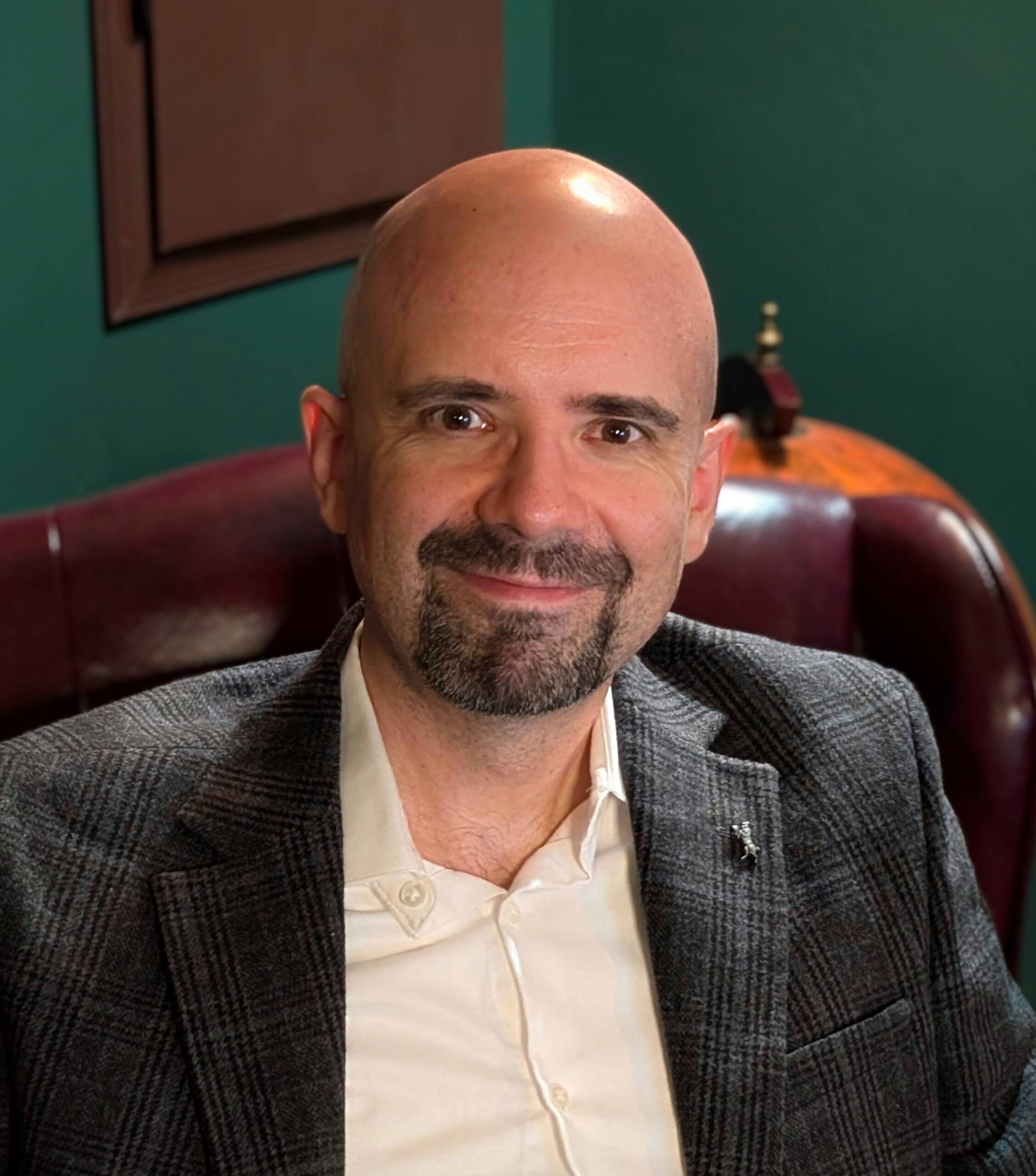
About Dr. Sharpless
I am a licensed clinical psychologist with over 20 years of experience assessing and treating sleep disorders ranging from common conditions to rare and unusual parasomnias. I received my Ph.D. in clinical psychology from Pennsylvania State University and completed post-doctoral clinical and research fellowships at the University of Pennsylvania.
I have published extensively on sleep-related conditions and developed diagnostic tools used in published research studies. Specifically, the Fearful Isolated Sleep Paralysis Interview (FISPI) and Exploding Head Syndrome Interview (EHSI) are both semi-structured clinical interviews. I have experience conducting diagnostic assessments in general and was a reviewer for the most recent version of the Structured Interview for DSM-5, Research Version (SCID-5-RV).
I authored a book with Dr. Karl Doghramji, Sleep Paralysis: Historical, Psychological, and Medical Perspectives (Oxford University Press, 2015), was editor of Unusual and Rare Psychological Disorders (Oxford University Press, 2017), and published many other peer-reviewed articles on sleep disorders. Along with my clinical and research work, I provide diagnostic training and supervision to other mental health professionals on the assessment of parasomnias and occasionally serve as an expert witness in criminal cases.
What Conditions do I Assess?
Though what is ultimately assessed depends upon what symptoms you’re experiencing, these are some of the more common conditions I evaluate:
- Nightmare Disorder — recurrent, distressing nightmares that disrupt sleep and daytime functioning
- Recurrent Isolated Sleep Paralysis — temporary inability to move or speak while falling asleep or waking, often accompanied by hallucinations or a sense of threat
- Exploding Head Syndrome — sudden, loud imaginary noises (explosions, gunshots, crashes) upon falling asleep or waking, without pain, but which may include visual phenomena
- Sexsomnia — sexual behaviors, vocalizations, or arousal that occur during sleep without conscious awareness
- Sleep-Related Hallucinations / Complex Nocturnal Visual Hallucinations — vivid perceptual experiences (visual, tactile, or auditory) that occur while falling asleep, during sleep, or upon waking
- Other Parasomnias (e.g., REM Sleep Behavior Disorder)
NOTE: For individuals whose primary concern is insomnia, please see the Insomnia Treatment page.
What to Expect
The assessment begins with a thorough clinical interview to understand your specific sleep pattern, the onset and course of your symptoms, any triggers, and how the condition affects your daily life and relationships. Because many parasomnias are rare and frequently misdiagnosed or confused with other conditions (such as psychiatric disorders or seizures), a careful, detailed evaluation is essential.
Depending on your specific situation, I may use standardized diagnostic interviews ranging from the ADIS-5 and the SCID-5 to more specialized instruments such as the FISPI or EHSI to ensure diagnostic accuracy. I use International Classification of Sleep Disorders (ICSD-3) diagnostic criteria. At times, you might be referred to undergo a sleep study conducted by a physician.
Following the assessment, I provide a clear explanation of your diagnosis, what may be contributing to your symptoms, and what evidence-based treatment options are available. Assessment sessions are available via secure telehealth across many states (check the status of your home state here), with limited in-person availability in Frederick, MD.
Frequently Asked Questions
Are parasomnias treatable? Yes. While parasomnias can be distressing and often poorly understood, evidence-based psychological and behavioral interventions can significantly reduce symptom severity, frequency, and the distress they cause.
Is my condition rare? Some parasomnias are more common than you might think, but are often underdiagnosed or misdiagnosed. For example, sleep paralysis is experienced by approximately 8% of the population at least once in their lifetime, but most experiencers are not chronically troubled by it. For other parasomnias (such as sexsomnia), good prevalence data do not yet exist.
What if my symptoms don’t match the parasomnias you list? Sleep disorders can present in complex or unusual ways. Even if your symptoms seem atypical, a thorough assessment may help identify what you’re experiencing. If I determine that your symptoms fall outside my area of specialization, I will discuss that with you and provide referrals as appropriate.
Do I need to see a sleep medicine physician first? Not necessarily. A psychological assessment can be very helpful in identifying the nature of your symptoms and determining whether medical evaluation (e.g., a sleep study) is needed.
How long does the assessment take? For most people, it takes between two and three hours. If you have an extensive medical or mental health history, it may take a bit longer. This will be discussed during the process of scheduling.
Contact Dr. Sharpless
If you are interested in an evaluation and/or treatment, please contact me here or click the Contact button at the top or bottom of this page.