Psychodynamic Therapy
Psychodynamic therapy is a flexible, evidence-based treatment that helps people gain healthier relationships, reduce symptoms that cause distress, and develop a deeper understanding of their own patterns of thinking, feeling, and behaving. Research has shown psychodynamic therapy to be effective for a range of conditions, including many anxiety disorders, depression, and personality disorders.
My practice is most influenced by several contemporary, evidence-based approaches, including Supportive-Expressive Therapy (SET), Transference-Focused Psychotherapy (TFP), Mentalization-Based Treatment (MBT), and Psychodynamically-Oriented Supportive Psychotherapy (POST). These approaches have been studied and successfully applied across diverse patient populations, with results published in high-impact, peer-reviewed journals. Ultimately, though, treatment is tailored to the specific patterns, history, and goals of each patient.
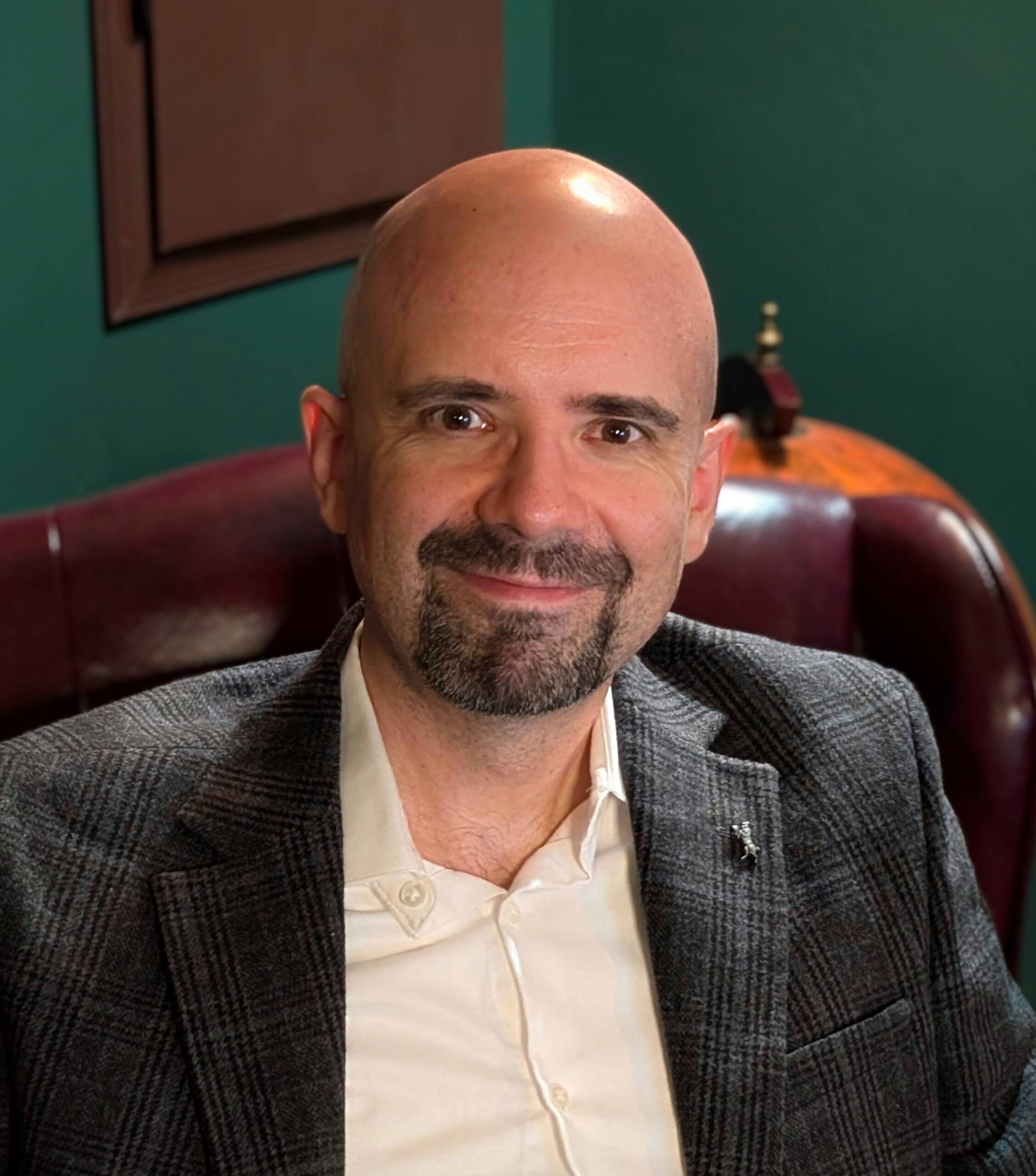
About Dr. Sharpless
I am a licensed clinical psychologist with over 20 years of experience conducting psychodynamic therapy. I received my Ph.D. in Clinical Psychology from Pennsylvania State University and completed post-doctoral clinical and research fellowships at the University of Pennsylvania. I also completed a clinical fellowship at the Psychoanalytic Center of Philadelphia and was a Teaching Fellow of the American Psychoanalytic Association’s (APsaA) Teachers Academy.
I am the author of Psychodynamic Therapy Techniques: A Guide to Expressive and Supportive Interventions (Oxford University Press, 2019), which has been translated into Turkish and Chinese, and co-editor (with Jacques Barber, Ph.D.) of the forthcoming Clinical Handbook of Psychodynamic Therapies (Guilford Press). I have also published peer-reviewed articles on various aspects of psychodynamic therapy. Along with my clinical work, I provide ongoing supervision and consultation to other therapists learning psychodynamic approaches and have taught psychodynamic theory and technique to doctoral students at Pennsylvania State University, Washington State University, and the American School of Professional Psychology. I also regularly conduct workshops on this model.
Who This Treatment Helps
Psychodynamic therapy can help individuals who want:
- relief from troubling symptoms
- increased insight into themselves or other people
- to change a troubling aspect of their personality (e.g., see dedicated Personality Disorder Treatment page for more detail)
- better ability to love others and have deeper connections
- better capacity to have satisfying work
- freedom from self-limiting patterns
- to accept things that cannot be changed, but which we wish could
- to feel less “stuck” in life
What to Expect
Treatment typically begins with a thorough initial assessment to understand your history, patterns, and goals. From there, we will determine which psychodynamic approach, or combination of approaches, seems best suited to your specific needs. Many people find that the combination of an evidence-based approach and a strong therapeutic relationship leads to real, lasting change, even when previous treatment attempts have not been as helpful as hoped.
Sessions are available via secure telehealth across many states (check the status of your home state here), with limited in-person availability in Frederick, MD.
Frequently Asked Questions
Is psychodynamic therapy considered effective/evidence-based? Yes. Contemporary psychodynamic approaches such as TFP, MBT, and SET are supported by research published in high-impact, peer-reviewed journals and are considered evidence-based treatments for a range of conditions. As of a review published in 2025, there have been more than 400 clinical trials of the various forms of psychodynamic therapy.
How is psychodynamic therapy different from other types of therapy? Psychodynamic therapy places particular emphasis on understanding the underlying patterns, often rooted in past relationships or experiences, that contribute to present-day difficulties, rather than focusing solely on symptom management.
How frequent are sessions? Session frequency depends on your specific needs and treatment approach. Some patients benefit from once-weekly sessions whereas others (particularly those suffering from personality disorders) benefit from twice-weekly sessions.
How long does treatment typically take? This varies by individual and by the nature of the concern. Some issues can be addressed in focused, shorter-term work, while others (e.g., particularly longstanding relational or personality patterns) benefit from longer-term treatment.
Do you diagnose conditions as part of treatment? Yes, an initial assessment takes place before treatment begins. If a formal diagnostic evaluation would be helpful on its own (e.g., if you are already working with another provider), I also offer dedicated diagnostic assessment services.
Contact Dr. Sharpless
If you are interested in an evaluation and/or treatment, please contact me here or click the Contact button at the top or bottom of this page.