Existential and Philosophically-Informed Therapy
Some of life’s most difficult struggles aren’t about symptoms in the traditional sense, but instead about meaning, purpose, mortality, and freedom. These existential concerns can surface during major life transitions or other times when the usual sources of meaning no longer feel satisfying. Traditional symptom-focused psychotherapy approaches aren’t always focused squarely on these questions.
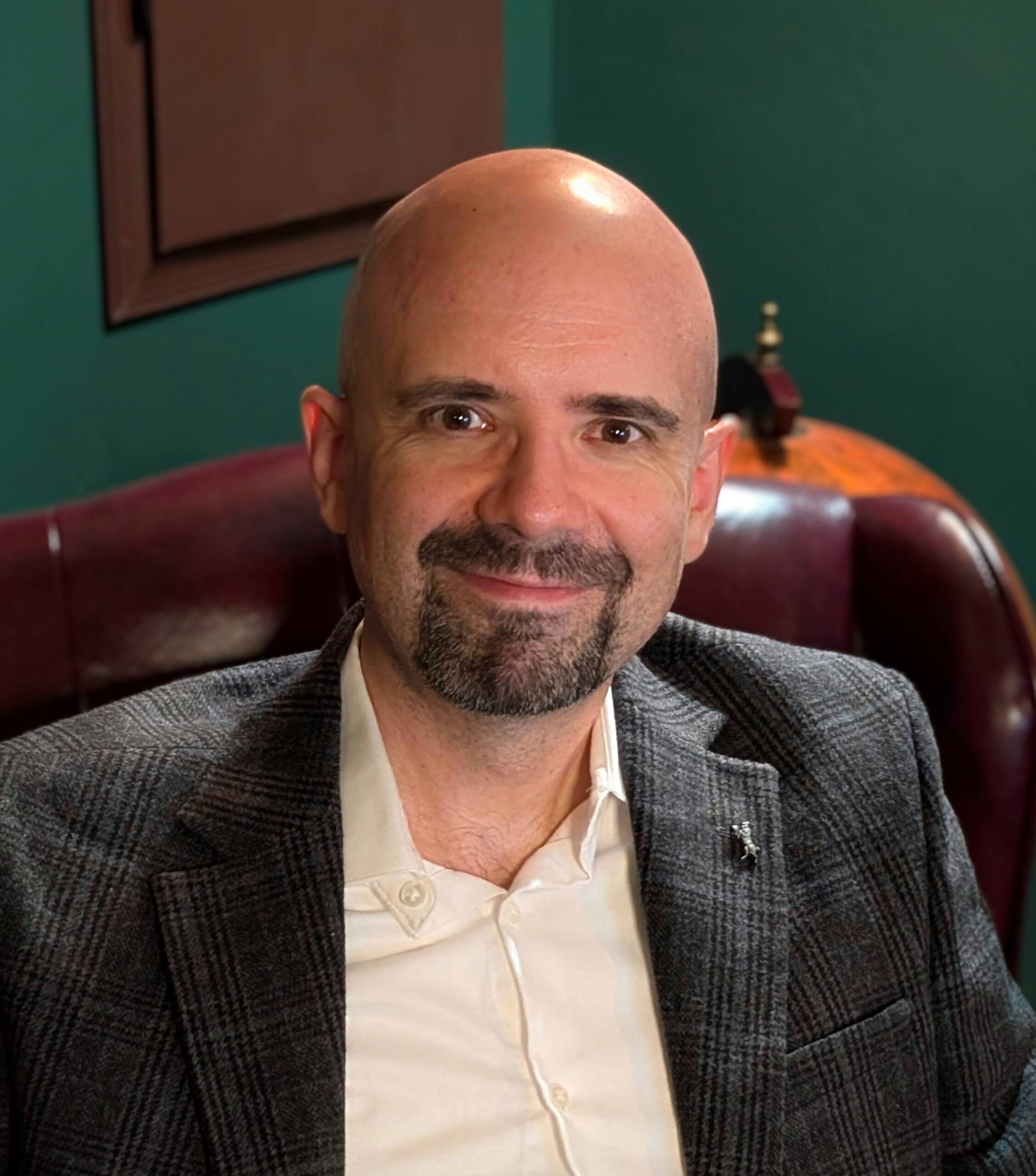
About Dr. Sharpless
I am a licensed clinical psychologist and author with over 20 years of therapy experience. I received my Ph.D. in Clinical Psychology and M.A. in Philosophy from Pennsylvania State University and completed post-doctoral fellowships at the University of Pennsylvania. Though I primarily practice and publish on psychodynamic and cognitive-behavioral approaches, I regularly incorporate philosophical insights into my work. I am particularly influenced by the 19th century continental tradition (e.g., Nietzsche, Kierkegaard, Schopenhauer). In addition to clinical work and research, I provide ongoing supervision and consultation to other therapists on complex cases, including those involving existential or philosophical concerns.
Some of history’s most brilliant minds struggled with questions of meaning, purpose, health, and happiness. I would argue that their insights remain genuinely useful in clinical work today.
Who This Approach Helps
Individuals who experience:
- A persistent sense of emptiness or meaninglessness, even without clinical depression
- Anxiety or preoccupation with mortality, aging, or the finitude of life
- Fear of excessive conformity and/or a sense of disconnection from one’s values
- Difficulty finding purpose after a major life transition (career change, retirement, loss, illness)
- A lack of genuine engagement in life
- Questions about freedom, responsibility, and the choices that define a life
- A desire for therapy that goes beyond symptom management to find answers to your deeper questions
What to Expect
Existential concerns don’t always fit neatly into standard diagnostic categories, so our work begins with understanding your specific concerns, history, and what “meaning” or “purpose” would actually look like for you. This isn’t a purely academic or abstract exercise. Instead, it’s a grounded, practical psychotherapy that draws on philosophical frameworks to help clarify what matters and why. Sessions may incorporate ideas from continental or other philosophies alongside established psychodynamic and cognitive-behavioral approaches. The ultimate approach depends upon what best serves your specific concerns.
Sessions are available via secure telehealth across many states (check the status of your home state here), with limited in-person availability in Frederick, MD.
Frequently Asked Questions
Is this a religious or spiritual form of therapy? No. While existential questions can overlap with spiritual concerns, this approach draws on philosophical and psychological traditions rather than any particular religious framework, and is adaptable to your own beliefs (or lack thereof).
Do I need to have a formal diagnosis to pursue this kind of therapy? No, but I always start treatment with a diagnostic assessment for many reasons, including having a better sense of what symptoms you typically experience (if any). Regardless, many people seeking this work aren’t dealing with a specific diagnosable condition, but are instead navigating difficult questions about meaning, purpose, or life direction that don’t fit neatly into a clinical category.
Can this be combined with treatment for anxiety or depression? Yes. Existential concerns often coexist with anxiety, depression, or major life transitions, and treatment can address both the clinical symptoms and the deeper questions of meaning simultaneously.
How long does this type of work typically take? This varies widely depending on your goals. Some people find shorter-term work helpful for navigating a specific transition; others pursue longer-term exploration of these questions.
Contact Dr. Sharpless
If you are interested in an evaluation and/or treatment, please contact me here or click the Contact button at the top or bottom of this page.