Diagnostic Assessment
“Why am I so anxious?” “Why can’t I just get over things?” “Why haven’t previous treatments worked?” “Why have different doctors given me different diagnoses?”
People often come to me hoping to clarify their symptoms, especially those that feel confusing, overwhelming, or resistant to change. Many psychological conditions share symptoms in common and, unfortunately, inaccurate diagnoses can lead to treatments that don’t address the core problem. A thorough, evidence-based evaluation is often the most important first step toward truly effective care.
I conduct formal diagnostic assessments for a wide range of psychological conditions using standardized, empirically validated interviews and instruments. This approach helps ensure more accurate diagnosis which can help people move toward the most promising treatments regardless of whether you work with me or another provider.
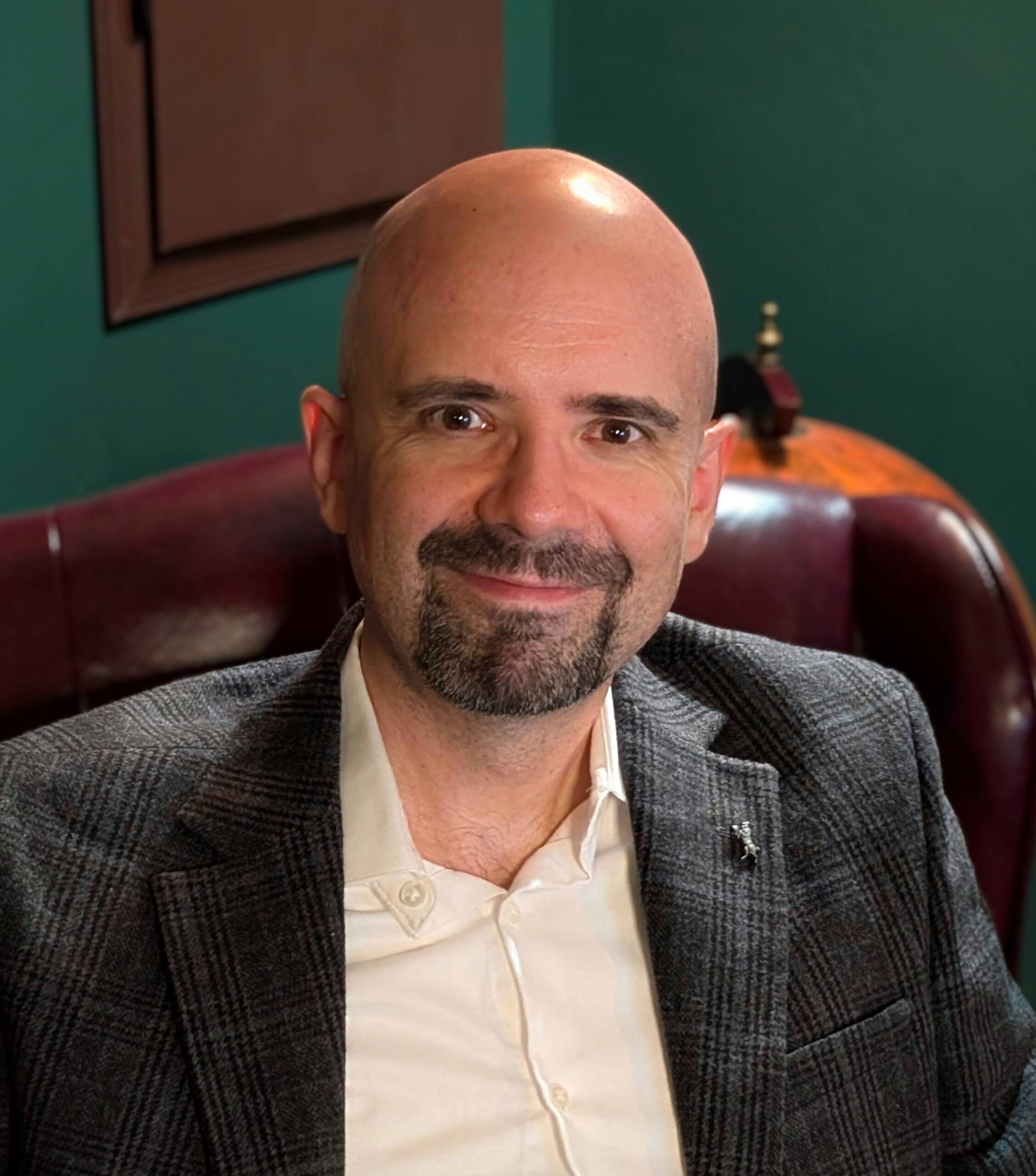
About Dr. Sharpless
I am a licensed clinical psychologist and author with over 20 years of experience conducting diagnostic evaluations across a broad range of psychological conditions. I received my Ph.D. in clinical psychology from Pennsylvania State University and completed post-doctoral clinical and research fellowships at the University of Pennsylvania.
I have extensive experience with structured and semi-structured diagnostic interviewing, having trained and supervised other clinicians in these methods. I served as a reviewer for the most recent version of the Structured Clinical Interview for DSM-5, Research Version (SCID-5-RV). My research and publications span a wide range of diagnostic topics, and I have particular expertise in cases involving complex, overlapping, or atypical presentations.
Along with my clinical practice, I publish books and articles on psychopathology and psychodynamic therapy and provide ongoing supervision to other therapists treating complex diagnostic cases.
Who This Assessment is for
Individuals seeking diagnostic clarity around conditions such as:
- Anxiety Disorders — Generalized Anxiety Disorder, Panic Disorder, Social Anxiety Disorder, and related conditions involving excessive worry, fear, or avoidance.
- Mood Disorders — Major Depressive Disorder, Persistent Depressive Disorder (Dysthymia), and mood-related symptoms affecting daily functioning.
- Bipolar Disorder — Distinguishing bipolar spectrum conditions from unipolar depression or other mood-related presentations.
- Trauma & PTSD — Post-Traumatic Stress Disorder and related trauma responses, including symptoms that may be mistaken for other conditions.
- Schizophrenia Spectrum & Psychotic Disorders — Conditions involving unusual perceptual experiences, disorganized thinking, or significant changes in functioning.
- Obsessive-Compulsive Disorder — Intrusive thoughts and compulsive behaviors that may overlap with anxiety or personality-based presentations.
- Personality Disorders — For a dedicated evaluation of personality-based patterns, visit the Personality Disorder Assessment page.
- Sleep Disorders — For evaluation of insomnia or parasomnias (e.g., sleep paralysis, nightmare disorder), visit the Insomnia Assessment or Sleep Disorder Assessment pages.
- Complex or Unclear Presentations — Cases where symptoms don’t clearly fit a single diagnostic category, or where multiple conditions may be present simultaneously.
If you are seeking assessment for a specific condition with a dedicated page (personality disorders, insomnia, or other sleep disorders), the links above will take you to a more detailed, condition-specific evaluation.
What to Expect
A comprehensive diagnostic assessment typically involves a detailed clinical interview, often using standardized instruments appropriate to your presenting concerns, along with a review of relevant history, current symptoms, and prior treatment experiences. Because many psychological conditions share overlapping features, careful differential diagnosis (i.e., ruling in and ruling out possibilities systematically) is central to this process.
Following the assessment, you will receive clear feedback about the diagnostic findings along with recommendations for next steps. That may involve beginning treatment with me, continuing care with another provider, or simply gaining a clearer understanding of your symptoms. Assessment sessions are available via secure telehealth across many states (check the status of your home state here), with limited in-person availability in Frederick, MD.
Frequently Asked Questions
How is a diagnostic assessment different from just starting therapy? A formal assessment provides a structured, evidence-based evaluation of your symptoms before treatment begins, helping ensure that any therapy you pursue is targeted to your actual diagnosis.
What if I don’t know what’s wrong, I just know something feels off? That’s one of the most common reasons people seek an assessment. You don’t need to have a suspected diagnosis in mind; the evaluation process itself is designed to help identify what’s going on.
What if I have symptoms of more than one condition? This is common. Many conditions share overlapping symptoms, and some people genuinely meet criteria for more than one diagnosis. Careful differential diagnosis helps clarify what’s most important to focus on.
Will you provide treatment after the assessment? If I am a good match for your problems and if I have availability, yes. Many people transition directly into treatment with me following an assessment. However, the assessment can also stand alone if you are working with another provider or simply seeking diagnostic clarity.
How long does the assessment process take? This varies depending on the complexity of the case and the conditions being evaluated, but most general assessments are completed within two hours. They can be longer depending upon what is being assessed and the complexity of a person’s mental health conditions.
Do you coordinate with my psychiatrist or other providers? Yes. With your consent, I’m happy to share relevant findings with other treatment providers to ensure continuity of care, and this is included in the assessment fee.
Contact Dr. Sharpless
If you are interested in an evaluation and/or treatment, please contact me here or click the Contact button at the top or bottom of this page.