Insomnia Assessment
“Do I really have insomnia, or is something else going on?” “Why hasn’t my insomnia improved with medication?” “Could something else be causing my sleep problems?”
Insomnia can significantly affect your sleep quality, daytime functioning, health, and overall well-being. Cognitive-Behavioral Therapy for Insomnia (CBT-I) is the gold-standard, first-line treatment endorsed by leading medical and psychological organizations, but it is not appropriate for everyone. Some people with insomnia have underlying medical conditions, psychiatric disorders, or medication side effects that require different interventions. A comprehensive assessment is essential to determine whether CBT-I is right for you, or whether your sleep difficulties stem from another cause that requires different treatment approaches.
Is CBT-I Right for Your Insomnia?
I provide detailed insomnia evaluations using evidence-based assessment methods to identify the underlying causes of your sleep problems and recommend the most effective treatment path.
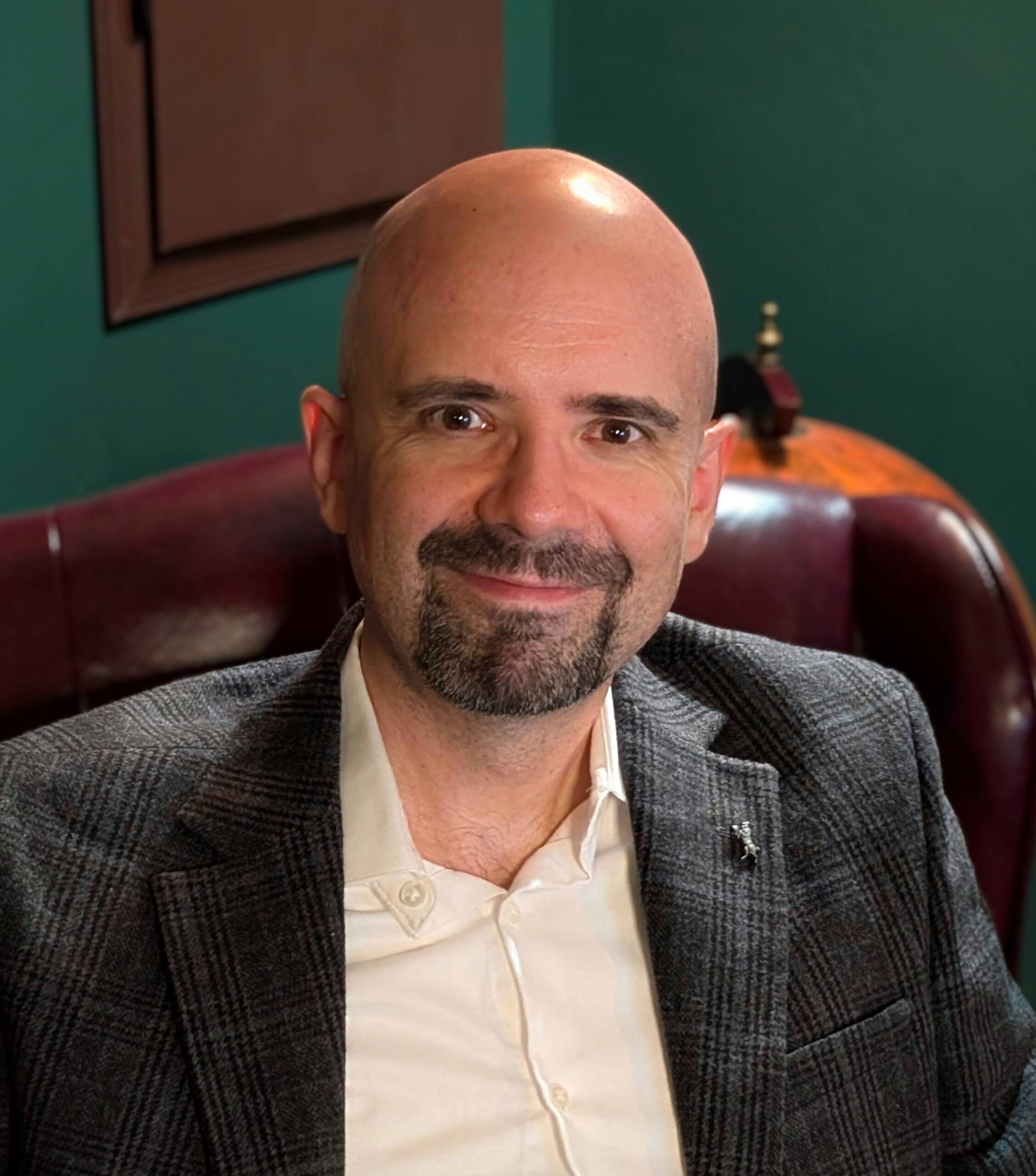
About Dr. Sharpless
I am a licensed clinical psychologist with over 20 years of experience assessing and treating sleep disorders, including insomnia, sleep paralysis, exploding head syndrome, and other parasomnias. I received my Ph.D. in clinical psychology from Pennsylvania State University and completed post-doctoral clinical and research fellowships at the University of Pennsylvania. I have published extensively on sleep-related conditions, including a co-authored book Sleep Paralysis (2015, Oxford University Press), peer-reviewed articles and chapters on exploding head syndrome and other sleep conditions, and an edited handbook, Unusual Psychological Disorders (2017, Oxford University Press). Along with my clinical practice, I provide ongoing consultation to other mental health professionals and conduct training workshops on sleep disorders.
I have a great deal of experience with diagnostic assessments in general and was a reviewer for the most recent Structured Interview for DSM-5, Research Version (SCID-5-RV).
What I Evaluate
A thorough insomnia assessment examines:
- Your sleep pattern — when you fall asleep, how often you wake, sleep duration, and sleep quality
- The onset and course of your insomnia — how long you’ve had it, what triggered it, and how it has changed over time
- Underlying medical conditions
- Psychiatric symptoms — including anxiety, depression, trauma history, or other mental health conditions that commonly co-occur with insomnia
- Current medications — some medications can interfere with sleep or contribute to insomnia
- Sleep habits and environment — caffeine use, alcohol, screen time, bedroom conditions, and daily routines that affect sleep
- Whether CBT-I is appropriate — whether you are a good candidate for behavioral and cognitive treatment, or whether other interventions may be more beneficial
What to Expect
The assessment typically involves a detailed clinical interview during which we discuss your sleep history, symptoms, daily functioning, and relevant medical and psychiatric background. Depending on your specific situation, I may recommend sleep tracking, standardized questionnaires, or coordination with a physician to conduct a sleep study.
Following the assessment, I will provide you with a clear explanation of what is likely contributing to your insomnia, whether CBT-I is appropriate for you, and what treatment options I recommend. If CBT-I is a good fit, we will discuss the treatment approach and how you might move forward with me or another provider.
Assessment sessions are available via secure telehealth across many states (check the status of your home state here), with limited in-person availability in Frederick, MD.
Frequently Asked Questions
Why do I need a formal assessment if I already know I have insomnia? Insomnia is often more complex than it appears. An assessment helps identify underlying causes (medical conditions, medications, anxiety, depression, poor sleep habits) that may not be obvious. This information is crucial for determining the right treatment approach. CBT-I is not always the best first step.
What if CBT-I isn’t right for me? That’s an important possibility, and the assessment helps clarify this. If your insomnia is secondary to an untreated medical condition, psychiatric disorder, or medication side effect, addressing those issues first may be more effective. I will discuss alternative or complementary treatment options with you.
How long does the assessment take? The initial assessment typically requires two hours, but may take longer if you have an extensive medical and/or mental health history.
Will you recommend medication? I am a psychologist, not a physician, so I cannot prescribe medication. However, I work collaboratively with your primary care provider to coordinate your care.
Can I start treatment right away, or do I have to wait for the assessment? A thorough assessment is an essential first step before beginning treatment. It ensures that the treatment approach we choose is the right one for your specific insomnia.
Contact Dr. Sharpless
If you are interested in an evaluation and/or treatment, please contact me here or click the Contact button at the top or bottom of this page.