Anxiety Disorder Treatment
“Why can’t I stop worrying?” “Why do I keep having panic attacks?” “Why am I so nervous with people?”
Anxiety disorders are among the most common mental health conditions. Given the fact that anxiety can present in so many different forms (generalized worry, panic attacks, phobias, social anxiety, health anxiety) and often overlaps with other conditions, getting the right diagnosis matters as much as getting the right treatment. I combine precise diagnostic assessment with evidence-based treatment to make sure that your care is tailored to what you’re actually experiencing.
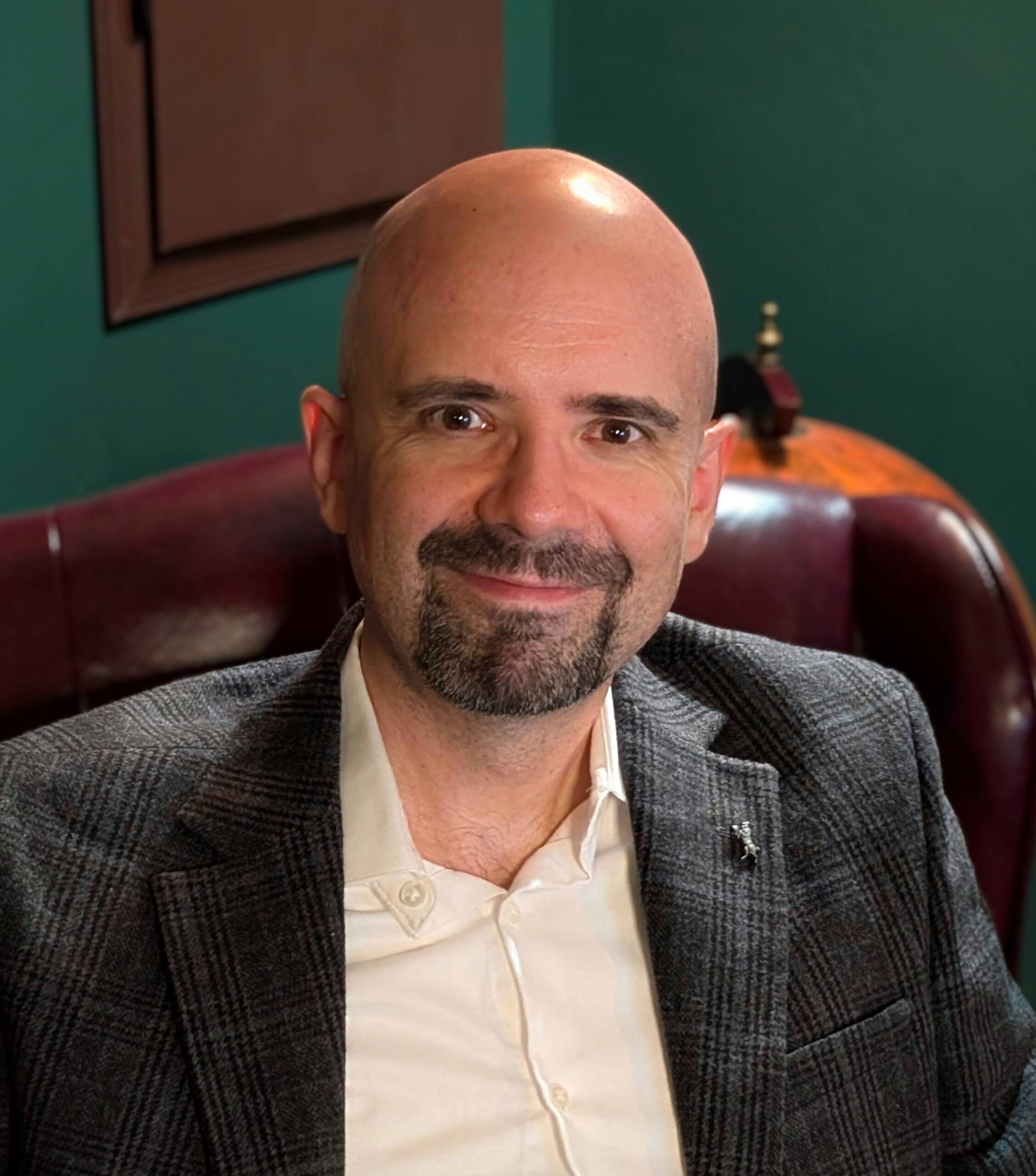
About Dr. Sharpless
I am a licensed clinical psychologist with over 20 years of experience assessing and treating anxiety disorders. I received my Ph.D. in clinical psychology from Pennsylvania State University and completed post-doctoral clinical and research fellowships at the University of Pennsylvania. As a doctoral student and post-doctoral researcher, I took part in NIMH-funded clinical trials for generalized anxiety disorder and panic disorder.
In terms of diagnostic work, I have provided clinical training and supervision on use of the Anxiety and Related Disorders Interview Schedule (ADIS-5, the gold-standard interview for anxiety disorders) to graduate students and postdoctoral researchers at both Penn State, Washington State University, and the University of Pennsylvania. I also served as a manuscript reviewer for the SCID-5 (Structured Clinical Interview for DSM-5 – Research Version).
Who This Treatment Helps
Individuals who experience:
- Persistent, difficult-to-control worry
- Panic attacks or a fear of having panic attacks
- Avoidance of specific situations, places, or objects due to fear
- Social anxiety or fear of judgment/embarrassment
- Physical symptoms of anxiety (racing heart, muscle tension, difficulty breathing) without clear medical cause
- Anxiety that interferes with work, relationships, or daily functioning
What to Expect
Effective anxiety treatment starts with accurate diagnosis. Because different anxiety disorders imply different treatment approaches, a thorough clinical assessment is the essential first step. In terms of treatment, it may include cognitive-behavioral therapy, exposure-based techniques, or psychodynamic approaches, depending on your particular concerns and what best fits your goals. Sessions are available via secure telehealth across many states (check the status of your home state here), with limited in-person availability in Frederick, MD.
Frequently Asked Questions
Are anxiety disorders treatable? Yes. Anxiety disorders are among the most responsive mental health conditions to treatment, particularly with evidence-based approaches like cognitive-behavioral therapy and psychodynamic therapy.
How do you determine which type of anxiety disorder I have? Anxiety disorders can overlap significantly and are sometimes confused with other conditions. I conduct a comprehensive clinical interview using standardized diagnostic instruments.
How long does treatment typically take? This varies depending on the specific anxiety disorder, its severity, your goals, and the presence of any additional conditions. In general, anxiety disorders require a short to moderate-term treatment length whereas more complex presentations benefitting from longer work.
Can anxiety treatment help if I’m also dealing with depression or other conditions? Yes. Anxiety frequently co-occurs with depression and other conditions. Part of the diagnostic process involves understanding how these symptoms interact so that treatment addresses the full picture.
Do you coordinate with prescribing physicians if I’m on medication? Yes. I can coordinate care with your prescribing physician when helpful. Many people benefit from a combination of therapy and medication for anxiety. However, in some cases, particular forms of medication may actually impact treatment sessions. This can be discussed more fully during the interview and then discussed with your prescribing physician.
Contact Dr. Sharpless
If you are interested in an evaluation and/or treatment, please contact me here or click the Contact button at the top or bottom of this page.