Treatment-Resistant & Complex Cases
“Why haven’t previous treatments worked?” “Is my treatment plan missing something?” “Is there something else going on that hasn’t been addressed?”
If you’ve tried therapy, medication, or both, and your symptoms haven’t meaningfully improved, it can be very discouraging. However, this doesn’t necessarily mean nothing will help. It often means the treatment approach, diagnosis, and/or the overall level of clinical care could benefit from an additional evaluation.
I work with individuals whose symptoms have persisted despite prior treatment. I generally recommend a thorough re-evaluation and formulating a revised and individualized treatment plan.
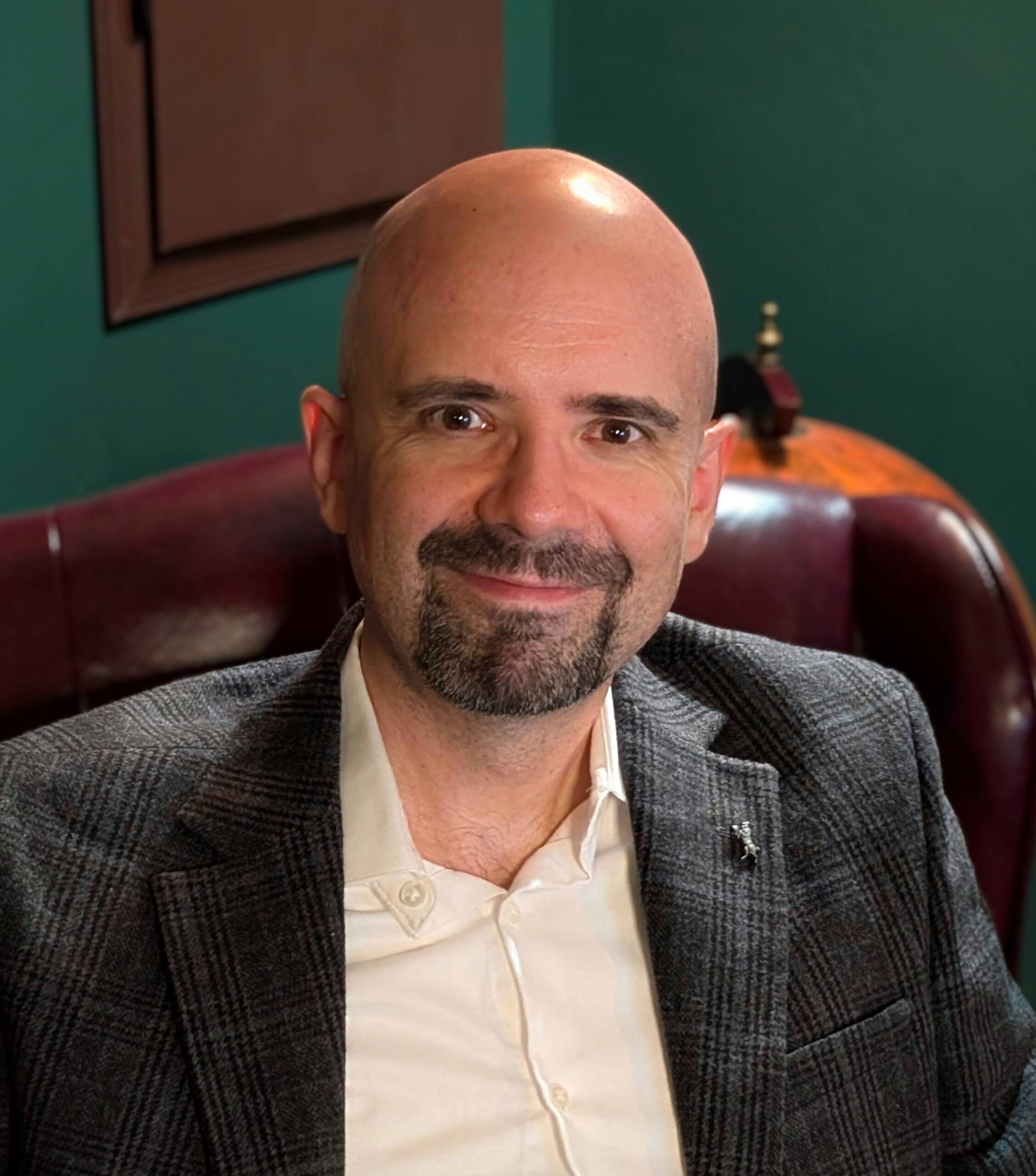
About Dr. Sharpless
I am a licensed clinical psychologist and author with over 20 years of experience treating complex and difficult-to-treat psychological conditions. I received my Ph.D. in clinical psychology from Pennsylvania State University and completed post-doctoral clinical and research fellowships at the University of Pennsylvania, along with a clinical fellowship at the Psychoanalytic Center of Philadelphia.
My clinical and research background spans a wide range of conditions, including personality disorders, rare and unusual psychological disorders, sleep disorders, psychotic disorders, and complex presentations. I have extensive experience with structured and semi-structured diagnostic interviewing and I provide ongoing supervision and consultation to other therapists treating difficult cases. This background is particularly useful for treatment-resistant presentations, where an accurate, careful diagnosis often matters as much as the treatment approach itself.
Who This is for
Individuals who feel stuck in their current treatment, including those experiencing:
- Symptoms that haven’t improved despite previous therapy, medication, or both
- Repeated diagnoses that don’t quite seem to fit or which keep changing according to provider
- A sense that something important may be getting overlooked
- Multiple, overlapping conditions that make treatment planning difficult
- Chronic and persistent mental illnesses (e.g., schizophrenia, other psychotic disorders)
- A desire for a fresh, thorough look before continuing treatment or changing course
What to Expect
Working with treatment-resistant or complex cases starts with a careful re-evaluation. Keep in mind that this does not assume that a prior diagnosis or treatment plan was correct, but instead takes the time to look closely at what has and hasn’t worked as well as why. This often involves a detailed clinical interview, a review of prior treatment history, and, where appropriate, standardized diagnostic tools to clarify or rule out conditions that may have been missed.
An important part of this process is making sure you’re receiving an appropriate level of care. In some cases, this means confirming that medication, medical evaluation, or a neurological consult should be part of the picture alongside psychotherapy and assessment, rather than viewing psychotherapy as the only piece of the puzzle. Complex presentations sometimes involve factors outside the scope of therapy, and identifying this early can save time and frustration.
Once a clearer picture emerges, we will develop a revised, individualized treatment plan. This may involve continuing your current treatment, changing approaches, coordinating care with a psychiatrist, neurologist, or other specialist, or a combination of approaches tailored to your specific presentation. I am available via secure telehealth across many states (check the status of your home state here), with limited in-person availability in Frederick, MD.
Frequently Asked Questions
What does “treatment-resistant” actually mean? It generally refers to symptoms that haven’t responded as expected to standard treatment approaches (e.g., therapy, medication, or their combination). It doesn’t mean nothing will help. It often means the approach needs to be reconsidered or the diagnosis reassessed. I should also note that “treatment-resistant” has also been more precisely defined in certain research studies, so it can vary.
Do I need to have already tried medication before seeking this? No. Some people come to this process before trying medication, others after. Part of the evaluation will involve determining whether medication or consultation with another specialist should be part of your treatment plan.
Will you coordinate with my psychiatrist or other doctors? Yes. With your consent, I’m glad to coordinate care and communicate with other providers to ensure your treatment plan is cohesive and that no piece of the picture is being overlooked.
What if I’ve already been diagnosed with multiple conditions? This is common in complex cases. Part of the evaluation process involves clarifying which diagnoses are most relevant, how they may interact, and what a realistic, prioritized treatment plan looks like.
How long does this process take? This varies significantly depending on the complexity of your case, but the initial evaluation and treatment planning typically takes several hours before a clear path forward is established. Once I received introductory paperwork, I will let you know how much time we should schedule.
Contact Dr. Sharpless
If you are interested in an evaluation and/or treatment, please contact me here or click the Contact button at the top or bottom of this page.