Rare Disorders Assessment
“Is there a name for what I’m experiencing?” “Why can’t I find information about this anywhere?” “Am I the only person who has ever felt this way?”
Some psychological conditions are so rare or unusual that patients struggle to find clinicians who have ever encountered them before. If you are experiencing symptoms that feel strange, difficult to describe, or outside the range of commonly discussed mental health conditions, and an accurate diagnosis is likely possible.
I conduct specialized diagnostic assessments for rare and unusual psychological conditions, drawing on published research, clinical training tools (several of which I have published), and experience with atypical presentations.
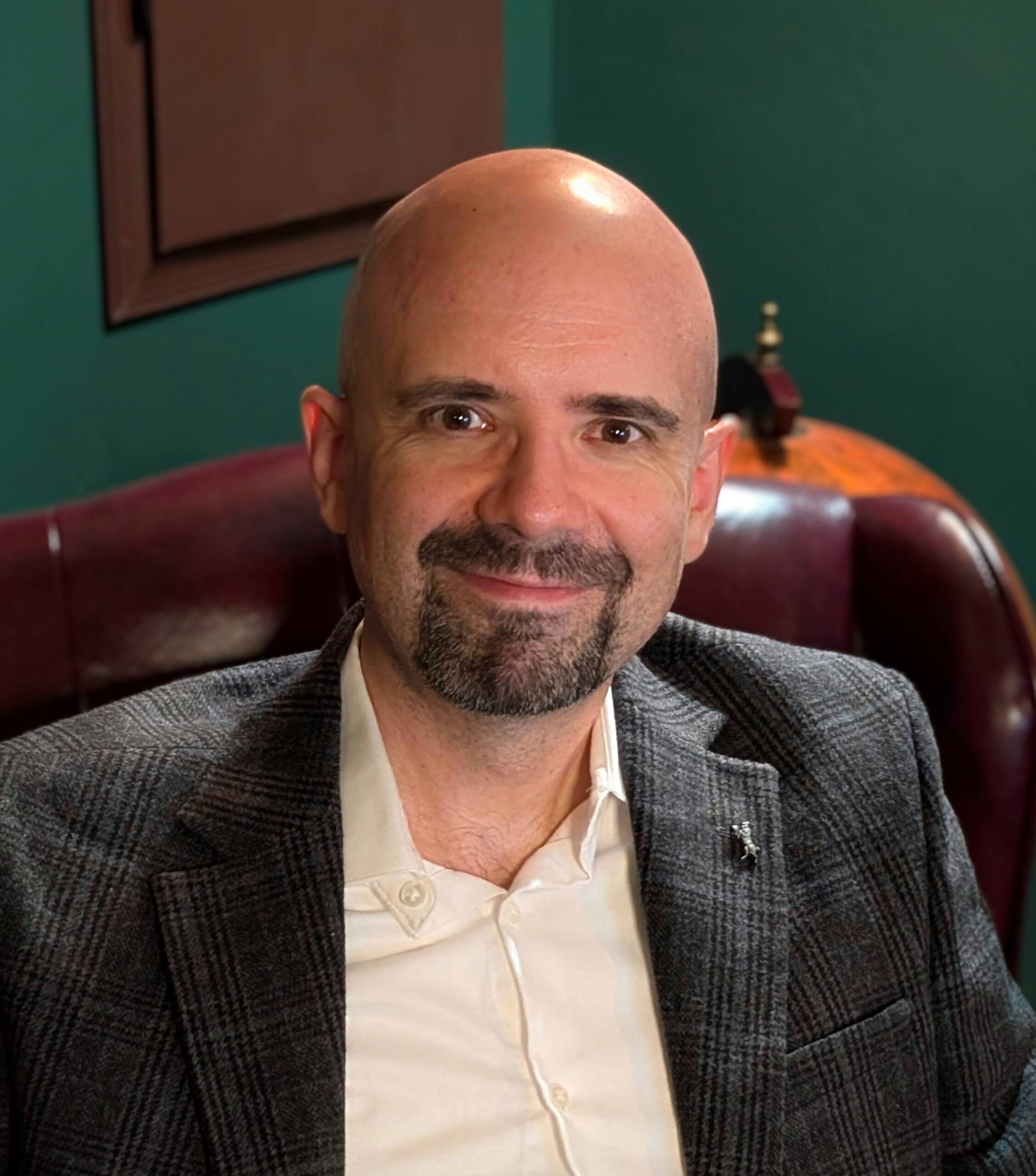
About Dr. Sharpless
I am a licensed clinical psychologist and author with a particular interest in uncommon psychological disorders. I edited Unusual and Rare Psychological Disorders: A Handbook for Clinical Practice and Research (Oxford University Press, 2017), a scholarly reference work covering conditions that fall outside standard diagnostic categories.
My research has also examined unusual parasomnias, including sleep paralysis and exploding head syndrome. I developed the Fearful Isolated Sleep Paralysis Interview (FISPI) and Exploding Head Syndrome Interview (ESHI) to more accurately assess these little-known conditions. For assessment focused specifically on unusual parasomnias, visit the Sleep Disorder Assessment page.
Beyond parasomnias, my published research addresses other rare and unusual presentations, including clinical therianthropy (i.e., the delusional belief that one is transforming into an animal), Cotard’s syndrome (the delusion that one is dead or does not exist), and taijin kyofusho, a condition involving intense social anxiety centered on the fear of offending or embarrassing others.
In 2024, I published Monsters on the Couch: The Real Psychological Disorders Behind Your Favorite Horror Movies, a popular press book examining the genuine psychological conditions associated with classic horror archetypes. It reviews the scientific research on such conditions as Renfield’s syndrome (i.e., clinical vampirism), two misidentification syndromes (i.e., Capgras syndrome and the Fregoli delusion), and other little-known disorders.
Who This Assessment is for
Individuals seeking diagnostic clarity around rare or unusual experiences (e.g., unusual beliefs, perceptions, or behaviors that don’t seem to fit neatly into standard diagnostic categories) that you’ve struggled to find clear information about elsewhere.
If your primary concern is a sleep-related condition, see also the Sleep Disorder Assessment page.
What to Expect
Assessment of rare and unusual conditions requires particular diagnostic care, since these presentations are frequently misunderstood, misdiagnosed, or mistaken for more common conditions. A comprehensive evaluation typically involves a detailed clinical interview, careful review of symptom history and, where applicable, the use of specialized diagnostic interviews.
Following the assessment, you will receive clear feedback about the diagnostic findings, along with recommendations for next steps.
Assessment sessions are available via secure telehealth across many states (check the status of your home state here), with limited in-person availability in Frederick, MD.
Frequently Asked Questions
Is my condition too rare or strange to be evaluated? No. Part of my clinical and research focus is specifically on conditions that are rarely discussed or poorly understood. If you’re unsure whether your experience fits anywhere, that uncertainty is itself a good reason to seek an evaluation.
Are these conditions actually real, or just found in folklore and movies? Many conditions associated with folklore or horror (e.g., such as beliefs about transforming into animals or vampiric identity) reflect genuine, documented psychological presentations. My research and writing explores how real clinical conditions have historically been interpreted through the lenses of myth and popular culture.
How are these conditions diagnosed? Diagnosis typically involves a thorough clinical interview and may include specialized diagnostic tools and/or my reviewing relevant research findings.
Will you provide treatment after the assessment? If appropriate and if I have availability, yes. The assessment can also stand alone if you are working with another provider or simply seeking diagnostic clarity.
How long does the assessment process take? This varies considerably depending on the complexity of the presentation. Following the completion of some introductory paperwork, I can give you a better sense of the time we should book.
Contact Dr. Sharpless
If you are interested in an evaluation and/or treatment, please contact me here or click the Contact button at the top or bottom of this page.