Personality Disorder Assessment
“Why do I struggle in relationships?” “Why do I see the world so differently than everyone else?” “Is there a name for the way I think and feel?”
People often come to me with questions like these, searching for answers about long-standing patterns in relationships, work, or self-image that feel difficult to shift on their own. Personality disorders are frequently misdiagnosed as other conditions, and other conditions are frequently misdiagnosed as personality disorders. This fact makes a thorough, evidence-based evaluation an important first step toward effective treatment.
I conduct formal diagnostic assessments for personality disorders using standardized, empirically validated instruments such as the SCID-5-PD (Structured Clinical Interview for DSM-5 Personality Disorders). This structured approach helps ensure an accurate diagnosis, which can meaningfully improve treatment planning and outcomes whether you continue working with me or with another provider.
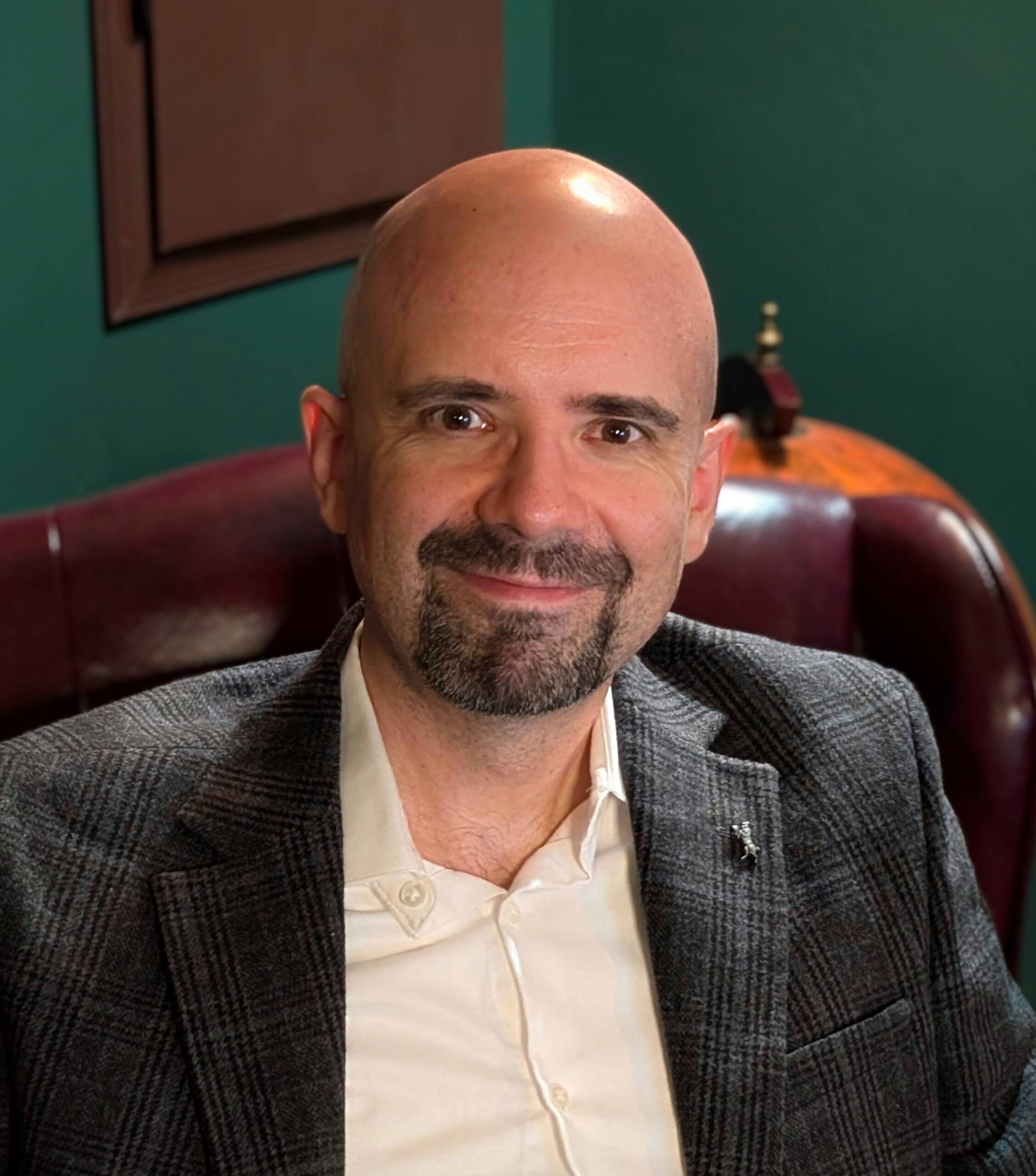
About Dr. Sharpless
I am a licensed clinical psychologist and author with over 20 years of experience assessing and treating personality disorders. I received my Ph.D. in clinical psychology from Pennsylvania State University and completed post-doctoral clinical and research fellowships at the University of Pennsylvania. I also completed a clinical fellowship at the Psychoanalytic Center of Philadelphia. I have a great deal of experience conducting diagnostic assessments and was a reviewer for the most recent version of the Structured Interview for DSM-5, Research Version (SCID-5-RV).
Along with my clinical practice, I publish books and articles on psychodynamic therapy and psychopathology (i.e., the study of mental disorders) and provide ongoing supervision and consultation to other therapists treating complex cases.
Who This Assessment is for
Individuals seeking diagnostic clarity around patterns such as:
Cluster A Personality Disorders:
- Schizotypal Personality Disorder — Discomfort in close relationships, unusual beliefs or perceptual experiences (e.g., magical thinking, mild paranoia, or a sense that ordinary events hold special personal meaning), and eccentric behavior or speech.
- Schizoid Personality Disorder — Limited interest in close relationships and a restricted range of emotional expression.
- Paranoid Personality Disorder — Pervasive distrust and suspicion of others.
Cluster B Personality Disorders:
- Antisocial Personality Disorder — A pattern of disregard for the rights of others, impulsivity, and difficulty conforming to social norms.
- Borderline Personality Disorder — Intense or rapidly shifting emotions, fear of abandonment, and unstable relationships or self-image. (See BPD Assessment page for a dedicated evaluation.)
- Narcissistic Personality Disorder — A strong need for admiration, sensitivity to criticism, and difficulty maintaining reciprocal relationships. (See NPD Assessment page for a dedicated evaluation.)
- Histrionic Personality Disorder — Excessive emotionality and attention-seeking behavior in social situations.
Cluster C Personality Disorders:
- Avoidant Personality Disorder — Pervasive social discomfort, feelings of inadequacy, and heightened sensitivity to criticism or rejection.
- Dependent Personality Disorder — An excessive need to be taken care of, often leading to submissive behavior and fear of separation.
- Obsessive-Compulsive Personality Disorder — Preoccupation with orderliness, perfectionism, and control, often at the expense of flexibility.
What to Expect
A comprehensive personality disorder assessment typically involves a detailed clinical interview using standardized, reliable instruments such as the SCID-5-PD, along with a review of relevant history and current symptoms. Because personality disorders often share overlapping features, both with each other and with other psychological conditions, careful differential diagnosis is central to this process.
Following the assessment, you will receive clear feedback about the diagnostic findings, along with recommendations for next steps. This may include beginning treatment with me, continuing care with another provider, or simply gaining a clearer understanding of your symptoms. Assessment sessions are available via secure telehealth across many states (check the status of your home state here), with limited in-person availability in Frederick, MD.
Frequently Asked Questions
How are personality disorders diagnosed? Personality disorders are diagnosed through a comprehensive clinical interview, usually supplemented by standardized, empirically validated instruments such as the SCID-5-PD, to ensure an accurate and reliable diagnosis.
Why get a formal assessment instead of just starting therapy? Because personality disorders are commonly misdiagnosed or mistaken for other conditions, a formal evaluation helps ensure that treatment is targeted to your actual diagnosis.
Do I need to already have a diagnosis to request an assessment? No. Many people seek an assessment precisely because they don’t yet have a clear diagnosis, or because they want to better understand long-standing patterns in their relationships, self-image, or emotional life.
Will you provide treatment after the assessment? If appropriate and if I have availability, yes. Many people transition directly into treatment with me following an assessment. However, the assessment can also standalone if you are working with another provider or simply seeking diagnostic clarity.
How long does the assessment process take? This varies, but a formal personality disorder assessment is typically completed within three hours depending on the complexity of the case.
Contact Dr. Sharpless
If you are interested in an evaluation and/or treatment, please contact me here or click the Contact button at the top or bottom of this page.