Personality Disorder Treatment
Personality disorders involve long-standing – often rigid – patterns of thinking, feeling, and behaving that cause problems in relationships and work. They can also reduce joy in life and negatively affect well-being.
I use several contemporary, evidence-based psychodynamic approaches to treat personality disorders. These include Transference-Focused Psychotherapy (TFP), Psychodynamically-Oriented Supportive Psychotherapy (POST), Mentalization-Based Treatment (MBT), and Supportive-Expressive Therapy (SET). Treatment is tailored to the specific patterns, history, and goals of each individual.
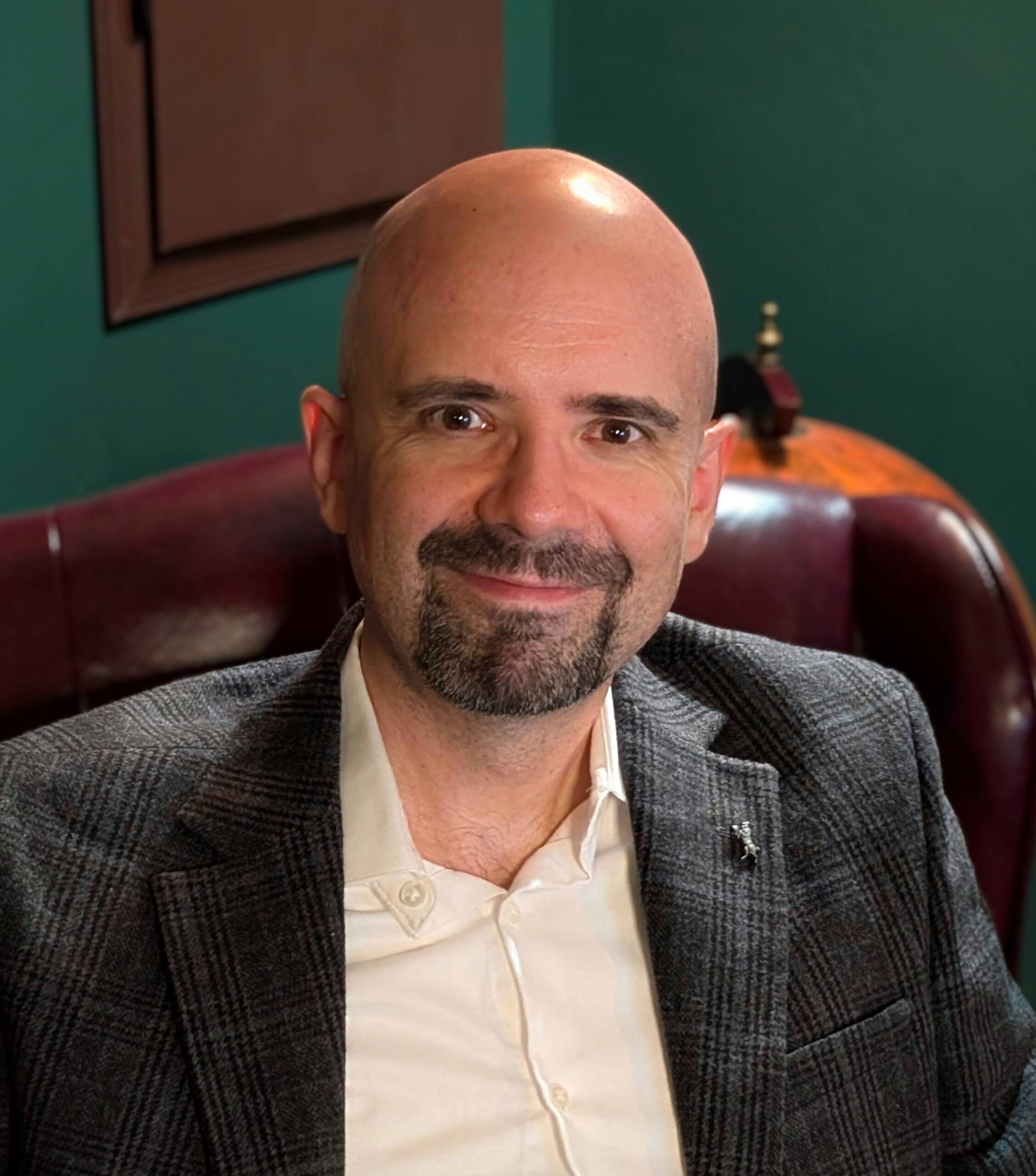
About Dr. Sharpless
I am a licensed clinical psychologist and author with over 20 years of experience assessing and treating personality disorders. I received my Ph.D. in clinical psychology from Pennsylvania State University and completed post-doctoral clinical and research fellowships at the University of Pennsylvania. I also completed a clinical fellowship at the Psychoanalytic Center of Philadelphia.
Along with my clinical practice, I publish books and articles on psychodynamic therapy (e.g., Psychodynamic Therapy Techniques, Oxford University Press, 2019) and psychopathology (i.e., the study of mental disorders) and provide ongoing supervision and consultation to other therapists treating complex cases.
Who This Treatment Helps
Individuals experiencing:
Cluster A Personality Disorders:
Schizotypal Personality Disorder — Discomfort in close relationships, along with unusual beliefs, perceptions, or ways of thinking.
Schizoid Personality Disorder — Limited interest in close relationships and a restricted range of emotional expression.
Paranoid Personality Disorder — Pervasive distrust and suspicion of others.
Cluster B Personality Disorderes:
Antisocial Personality Disorder — A pattern of disregard for the rights of others, impulsivity, and difficulty conforming to social norms.
Borderline Personality Disorder — Intense or rapidly shifting emotions, fear of abandonment, and unstable relationships or self-image.
Narcissistic Personality Disorder — A strong need for admiration, sensitivity to criticism, and difficulty maintaining reciprocal relationships.
Histrionic Personality Disorder — Excessive emotionality and attention-seeking behavior in social situations.
Cluster C Personality Disorders:
Avoidant Personality Disorder — Pervasive social discomfort, feelings of inadequacy, and heightened sensitivity to criticism or rejection.
Dependent Personality Disorder — An excessive need to be taken care of, often leading to submissive behavior and fear of separation.
Obsessive-Compulsive Personality Disorder — Preoccupation with orderliness, perfectionism, and control, often at the expense of flexibility.
If you are specifically looking for treatment of borderline or narcissistic personality disorder, visit the dedicated pages linked above for more detail.
What to Expect
The most important step of treatment is to determine if you are actually suffering from a personality disorder. These conditions are frequently misdiagnosed for other disorders. Following a thorough initial assessment, therapy may commence with me or another provider. Many people find that the combination of evidence-based treatments and a strong therapeutic relationship leads to real, lasting change even if previous treatment attempts have been unsuccessful. Therapy sessions are available via secure telehealth across many states (check the status of your home state here), with limited in-person availability in Frederick, MD.
Frequently Asked Questions
Are personality disorders treatable? In general, yes. There is a good bit of variability across the many disorders, and some have been more thoroughly studied than others. Certain structured, evidence-based treatments have been shown to meaningfully reduce symptoms and improve functioning over time.
Do you diagnose personality disorders as part of treatment? Yes, these take place before treatment begins. If a formal diagnostic evaluation would be helpful (e.g., if you are already working with another provider), I offer dedicated personality disorder assessment services.
How frequent are the sessions? The standard of care for most personality disorder treatments is two sessions per week.
How long does treatment typically take? This varies by individual. It is generally a mid- to long-term treatment (i.e., 6 months to two years or longer), but the duration of treatment depends upon severity, personal motivation, and specific goals.
Contact Dr. Sharpless
If you are interested in an evaluation and/or treatment, please contact me here or click the Contact button at the top or bottom of this page.