Cognitive Behavioral Therapy
While my primary clinical orientation is psychodynamic, I was also trained in several cognitive behavioral therapy (CBT) approaches. Depending on the person or condition, these may be the most appropriate treatment choice. CBT is an extensively researched approach with strong empirical support for conditions such as insomnia, panic disorder, and trauma-related difficulties. I draw on specific CBT protocols including Cognitive-Behavioral Therapy for Insomnia (CBT-I), CBT for Generalized Anxiety Disorder, and Prolonged Exposure Therapy (PE) for trauma.
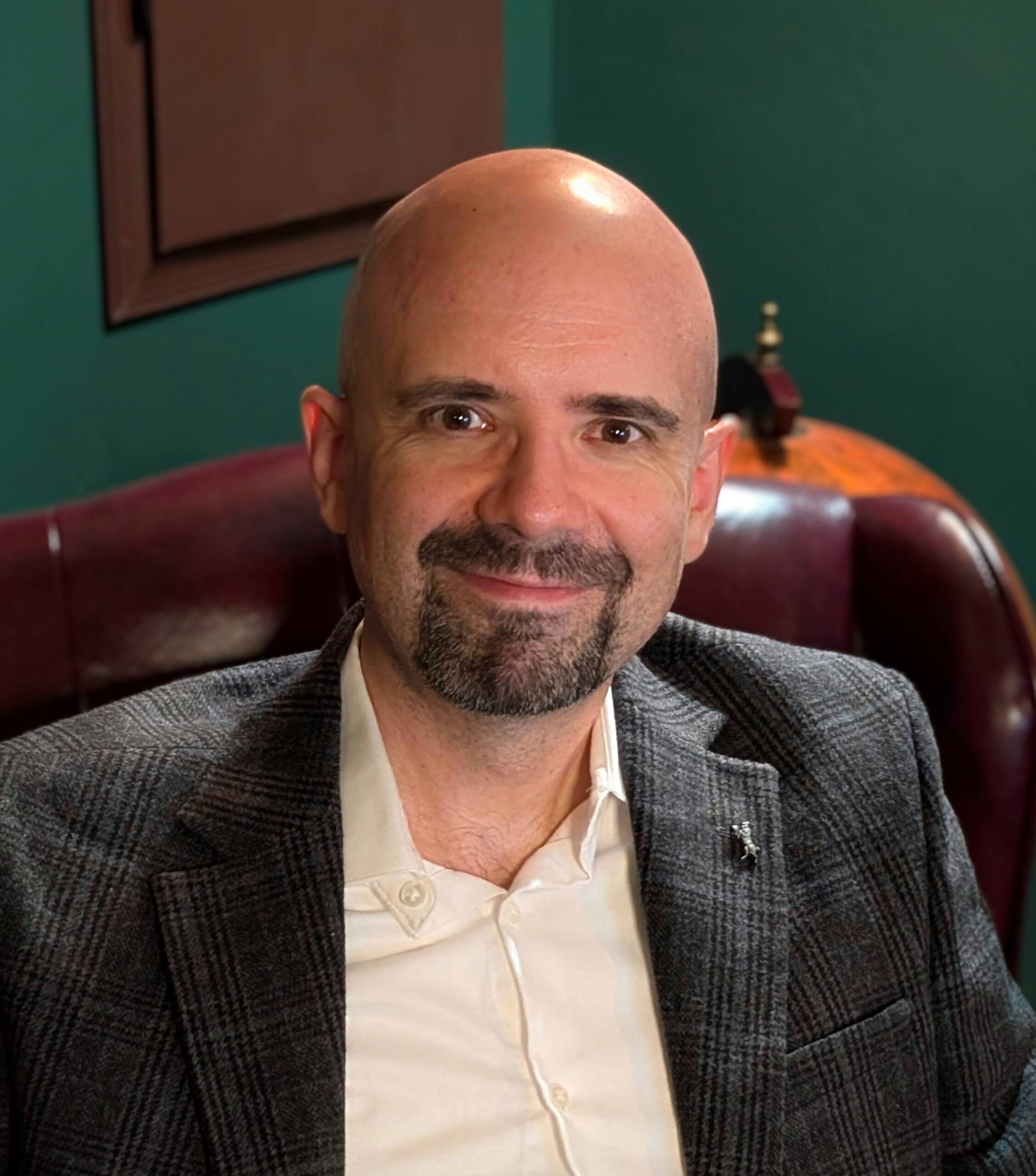
About Dr. Sharpless
I am a licensed clinical psychologist with over 20 years of clinical experience. While I am primarily psychodynamic in orientation, my doctoral training at Pennsylvania State University gave me a strong foundation in CBT as well.
I have extensive training and supervisory experience with the Anxiety and Related Disorders Interview Schedule (ADIS-5), the gold-standard diagnostic interview for anxiety disorders and have taught/supervised graduate students and postdoctoral researchers at Pennsylvania State University, Washington State University, and the University of Pennsylvania. I also served as a manuscript reviewer for the SCID-5 (Structured Clinical Interview for DSM-5, Research Version). My published work includes a treatment manual on Cognitive Behavioral Therapy for Isolated Sleep Paralysis (i.e., CBT-ISP).
The data are clear that not everyone responds to the same treatment approach. CBT is an excellent treatment for many people and, for some individuals, may be a better fit than psychodynamic approaches.
Who This Treatment Helps
CBT approaches can help individuals experiencing:
- If your primary concern is anxiety or insomnia specifically, please visit the dedicated Anxiety Disorder Treatment or Insomnia Treatment pages for more detail.
- Persistent, difficult-to-control worry or generalized anxiety
- Panic attacks or fear of having panic attacks
- Avoidance of specific situations, places, or objects due to fear
- Trauma-related symptoms that benefit from structured exposure-based approaches
- A preference for a structured, skills-based approach to treatment
- Specific, identifiable symptoms or behaviors they want to target directly
What to Expect
Effective CBT treatment starts with accurate diagnosis, as different conditions call for different specific techniques and protocols. Following a thorough clinical assessment, treatment typically follows a structured protocol (e.g., such as PE for trauma or CBT-I for insomnia) while remaining flexible enough to address your particular symptoms and circumstances. Many people find that the structured, skills-based nature of CBT produces clear, measurable progress, even when previous treatment attempts have not been successful.
Sessions are available via secure telehealth across many states (check the status of your home state here), with limited in-person availability in Frederick, MD.
Frequently Asked Questions
If you’re primarily psychodynamic, why do you also offer CBT? Different conditions respond best to different approaches. For example, CBT-I is the gold-standard treatment for insomnia. Rather than applying a single orientation to every concern, I use whichever evidence-based approach (or combination) seems best suited to your specific situation.
What’s the difference between CBT and psychodynamic therapy? CBT is generally more structured and present-focused, targeting specific thoughts, behaviors, and symptoms directly. Psychodynamic therapy places more emphasis on understanding underlying patterns rooted in past experience. Both are evidence-based, and the right fit depends on your specific concerns and preferences.
How frequent are sessions? Most CBT protocols call for weekly sessions.
How long does treatment typically take? CBT is generally a shorter-term treatment compared to some other approaches, often ranging from a few weeks to several months, depending on the specific condition, its severity, and your goals.
Do you diagnose conditions as part of treatment? Yes, a thorough diagnostic assessment takes place before treatment begins. If a formal diagnostic evaluation would be helpful on its own (for example, if you are already working with another provider). I also offer dedicated diagnostic assessment services.
Do you coordinate with prescribing physicians if I’m on medication? Yes. I can coordinate care with your prescribing physician when helpful, as many people benefit from a combination of therapy and medication. However, note that certain CBT treatments can be inhibited through certain medications. This will be discussed during the initial evaluation.
Contact Dr. Sharpless
If you are interested in an evaluation and/or treatment, please contact me here or click the Contact button at the top or bottom of this page.