Depression Treatment
“Why can’t I shake this feeling?” “Is this just sadness, or something more?”
Depression affects far more than mood. It can impact energy, motivation, sleep, concentration, relationships, and your basic sense of engagement with life. Effective treatment starts with understanding the specific nature and severity of your depression and then applying a good approach with evidence behind it.
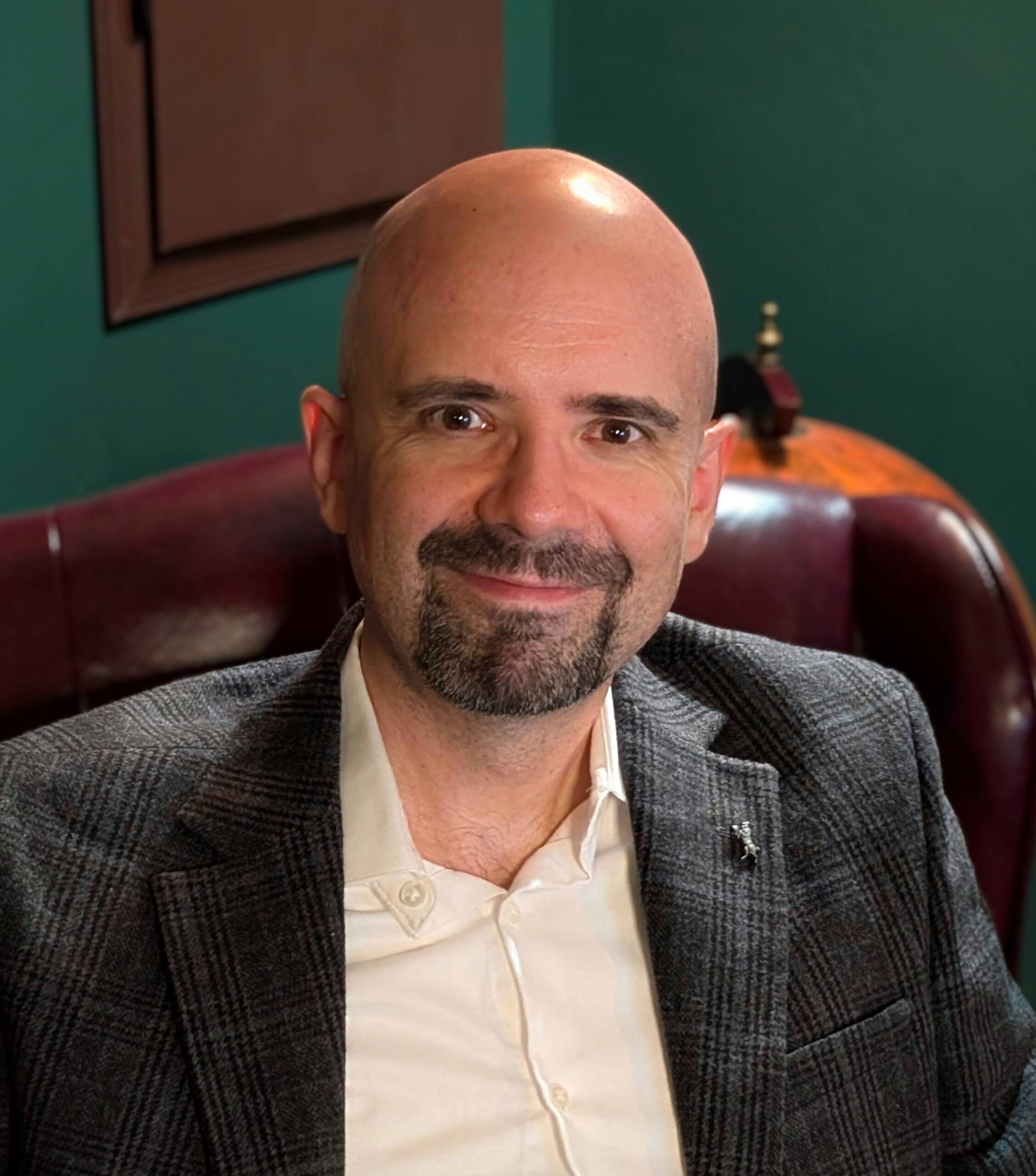
About Dr. Sharpless
I am a licensed clinical psychologist and author with over 20 years of experience assessing and treating major depression and other mood disorders. I received my Ph.D. in clinical psychology from Pennsylvania State University and completed post-doctoral clinical and research fellowships at the University of Pennsylvania. I also completed a clinical fellowship at the Psychoanalytic Center of Philadelphia.
Along with my clinical practice, I publish books and articles on psychodynamic therapy and psychopathology (i.e., the study of mental disorders) and provide ongoing supervision and consultation to other therapists treating complex cases. In 2009, Jacques Barber and I contributed an entry on Supportive-Expressive Therapy (SET) to The International Handbook of Depression (Springer Press).
Who This Treatment Helps
Individuals who experience:
- Persistent sadness, emptiness, or loss of interest in activities once enjoyed
- Low energy, fatigue, or difficulty getting through daily tasks
- Changes in sleep or appetite
- Difficulty concentrating or making decisions
- Feelings of worthlessness, guilt, or hopelessness
- Suicidal ideation or the feeling that life is not worth living
- Depression connected to a specific life event, loss, or ongoing stressor
- Depression that hasn’t responded well to previous treatment attempts
What to Expect
A careful diagnostic assessment is the first step. Since depression varies widely in severity, course, and underlying contributors, understanding your specific presentation guides the choice of treatment approach.
Depending on your history, preferences, and the nature of your depression, treatment may draw on cognitive-behavioral therapy or psychodynamic therapy (e.g., Supportive-Expressive Therapy). Sessions are available via secure telehealth across many states (check the status of your home state here), with limited in-person availability in Frederick, MD.
Frequently Asked Questions
Is depression treatable? Yes. Depression is one of the most extensively studied and treatable mental health conditions. Many people see meaningful improvement with appropriate treatment.
What kind of therapy do you use for depression? This depends on your specific presentation and preferences. I have training and research experience in both cognitive-behavioral and psychodynamic approaches (esp. Supportive-Expressive Therapy), and can discuss which may be the best fit based on your history and goals.
How long does treatment typically take? This varies based on severity, duration of symptoms, and individual goals. Some people benefit from shorter-term, structured treatment, while others with more complex or long-standing depression may pursue longer-term work.
Can treatment help if I’m also anxious or dealing with another condition? Yes. Depression frequently co-occurs with anxiety and other conditions, and treatment can be tailored to address the full clinical picture rather than isolated symptoms.
Do you coordinate with prescribing physicians if I’m on medication? Yes. Many people benefit from combining therapy with medication management.
Contact Dr. Sharpless
If you are interested in an evaluation and/or treatment, please contact me here or click the Contact button at the top or bottom of this page.